

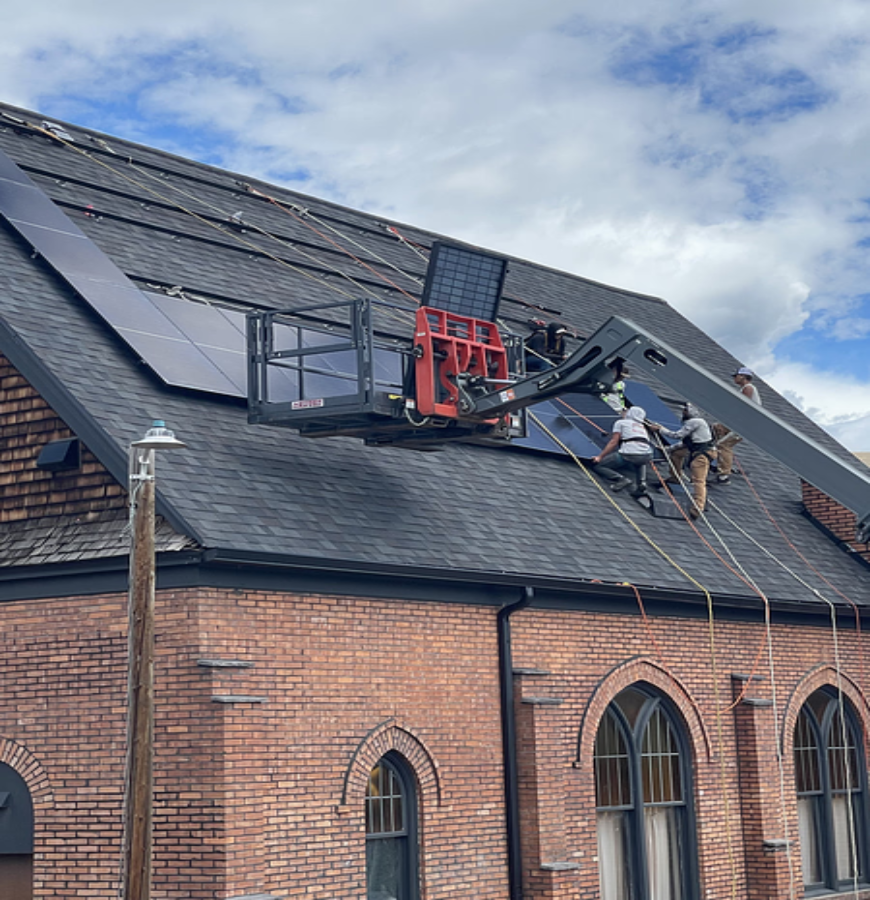
Businesses looking to invest in commercial solar systems must carefully plan and design their installations to maximize energy production, reduce costs, and ensure long-term reliability. From evaluating commercial roof types to understanding business energy needs and coordinating utility interconnection, each step of the design process is crucial. Engineers, project managers, and facility operators can benefit from a comprehensive overview of commercial solar project scoping and system planning.
Properly designed systems not only deliver energy savings but also enhance corporate sustainability goals, improve property value, and provide reliable energy for business operations.
Understanding Commercial Solar Systems
A commercial solar system in Missoula consists of photovoltaic (PV) panels, inverters, mounting hardware, and optional energy storage. The system converts sunlight into electricity, which can offset grid consumption and reduce utility costs.
Key Components of a Commercial Solar System
The design and implementation of a commercial solar system rely on four main components that work together to generate, convert, and manage energy efficiently. Each element is critical to overall system performance and longevity.
- Solar Panels: Capture sunlight and generate electricity. Efficiency and type vary depending on roof orientation and business energy requirements.
- Inverters: Convert direct current from panels into alternating current used by commercial facilities.
- Mounting Systems: Secure panels to roofs or ground-mounted structures, accommodating the slope, material, and structural load capacity.
- Monitoring Systems: Track energy production, system performance, and potential maintenance needs.
Defining clear objectives ensures that the commercial solar system aligns with both operational and financial goals. Objectives help guide design choices and prioritize features that maximize return on investment.
System Objectives
- Optimize energy production for business needs.
- Minimize payback period and maximize ROI.
- Integrate seamlessly with existing energy infrastructure.
- Comply with local regulations, utility requirements, and safety standards.
Evaluating Commercial Roof Types
The type of commercial roof plays a major role in solar system design. Different roofing materials and structures impact panel layout, mounting options, and energy efficiency.
Common Roof Types
Choosing the right roof type affects installation method, panel durability, and overall energy production. Each roof type requires careful planning to maximize performance.
- Flat Roofs: Often ideal for solar installations due to flexibility in panel orientation and layout. Ballasted or penetrative mounting systems are used.
- Metal Roofs: Durable and long-lasting, with standing seam designs allowing for clip-on mounts that avoid roof penetration.
- Built-Up Roofing and TPO Membranes: Require careful mounting to avoid leaks while ensuring stability and longevity.
- Shingle Roofs: Less common for large commercial systems but can support smaller solar arrays with appropriate mounting hardware.
Structural Assessment
Evaluating the structural integrity of a roof is essential before installing panels. Engineers assess weight capacity, roofing material condition, and load distribution to prevent future damage and ensure safety.
Determining Business Energy Needs
Understanding a business’s energy consumption is critical to designing an efficient solar system. Proper assessment ensures the system meets operational demands without over or under-sizing.
Energy Audit
Conducting a thorough energy audit is the foundation for sizing a commercial solar system. It identifies high-consumption periods, potential inefficiencies, and opportunities for integrating energy management solutions.
- Daily and seasonal electricity usage.
- Peak demand periods.
- Future growth or expansion plans.
System Sizing
Accurate system sizing ensures optimal energy production and financial returns. Engineers use data from the energy audit to calculate the number of panels, inverter capacity, and battery storage requirements. Oversizing can provide future proofing for expansion, while under sizing could limit benefits.
Panel Layout and Optimization
Panel layout is a critical design step that impacts system performance, aesthetics, and maintenance accessibility. Proper layout maximizes sunlight exposure and energy output while minimizing shading and losses.
Factors Influencing Layout
Several factors must be considered when designing panel placement. These considerations ensure that panels receive maximum sunlight and operate efficiently throughout the year.
- Roof Orientation and Tilt: Determines solar exposure and efficiency. South-facing panels typically receive the most sunlight in the northern hemisphere.
- Shading Analysis: Trees, HVAC units, and neigh boring structures can reduce performance. Tools like solar pathfinders are used to assess shading impact.
- Spacing and Maintenance Access: Panels must be arranged to allow for maintenance, roof inspections, and snow or debris removal.
- Electrical Configuration: Ensures optimal performance for inverter input and energy production.
Technology Considerations
Choosing the right technology enhances energy yield and system longevity. High-efficiency panels, advanced inverters, and optional tracking systems can significantly boost ROI. Design choices should balance cost, efficiency, and durability.
Utility Interconnection and Regulatory Compliance
Commercial solar systems must integrate with local utilities to ensure safety, energy crediting, and compliance with regulations.
Interconnection Requirements
Proper interconnection enables the system to deliver excess electricity to the grid safely and allows businesses to receive energy credits. Compliance with utility requirements is necessary to avoid delays and penalties.
- Electrical permits and inspections.
- Metering and net metering agreements.
- Safety protocols for disconnects and grid synchronization.
Incentives and Certifications
Leveraging incentives reduces upfront costs and accelerates ROI. Businesses should be aware of federal, state, and utility programs, and ensure their systems meet all regulatory and safety standards.
Energy Storage Integration
Battery storage adds value by improving energy independence and system reliability. Businesses can store surplus energy, manage peak loads, and ensure uninterrupted operations during outages. Proper integration requires careful analysis of energy needs and storage capacity.
Financial Considerations and ROI
A well-designed commercial solar system provides financial benefits beyond energy cost reductions.
Cost Analysis
Comprehensive cost analysis includes panels, inverters, mounting systems, installation, permits, and ongoing maintenance. Accurate projections help business leaders assess ROI and make informed investment decisions.
Payback Period
Most commercial solar systems achieve payback within five to ten years depending on energy usage, local electricity rates, and available incentives. After payback, businesses continue to save on energy costs for decades.
Long-Term Savings
Commercial solar provides predictable energy costs, protection against rising utility rates, and reduced operating expenses. Businesses also benefit from enhanced corporate sustainability credentials.
Project Planning and Implementation
Successful solar projects require coordination among engineers, project managers, contractors, and facility operators. Proper planning ensures the system meets energy and budget goals while complying with all regulations.
Steps in Implementation
- Site Assessment: Evaluate roof or land, shading, and structural integrity.
- Design and Engineering: Optimize panel layout, system size, and energy storage.
- Permitting and Approvals: Ensure compliance with building codes and utility requirements.
- Installation: Professional installation following manufacturer and engineering specifications.
- Commissioning: System testing, monitoring setup, and performance verification.
- Ongoing Monitoring: Track energy production, detect issues, and perform maintenance as needed.
Collaboration for Success
Collaboration across all stakeholders ensures efficient project delivery, long-term performance, and safety. Open communication and regular updates minimize delays and unexpected costs.
Benefits of a Custom Commercial Solar System
Custom systems provide energy, financial, and operational benefits for businesses.
- Optimized Energy Production: Tailored to specific energy demands and roof configurations.
- Financial Savings: Lower utility bills and access to incentives.
- Sustainability and Corporate Responsibility: Reduced carbon footprint and enhanced green branding.
- Operational Resilience: Increased energy independence and reliability.
- Property Value Enhancement: Solar installations increase long-term asset value.
Conclusion
Designing a commercial solar system requires careful planning, engineering, and collaboration. By evaluating roof types, energy needs, panel layouts, and utility interconnection, businesses can implement systems that deliver cost savings, reliability, and sustainability.
A well-executed commercial solar project positions businesses as leaders in clean energy adoption while reducing long-term energy expenses. Reach out to Go Freedom Energy for expert guidance on solar and renewable energy installations.
Frequently Asked Questions
1. How do I determine the right size for my commercial solar system?
Conduct an energy audit to assess consumption patterns, peak loads, and future growth plans to determine panel and inverter capacity.
2. Can solar panels be installed on any commercial roof type?
Most roof types, including flat, metal, and membrane roofs, are compatible with commercial solar systems, though mounting solutions may vary.
3. What is utility interconnection, and why is it important?
Interconnection ensures safe integration of the solar system with the electrical grid, enables net metering, and complies with regulations.
4. Can battery storage improve the performance of a commercial solar system?
Yes, energy storage allows businesses to store excess power, manage peak demand, and maintain operations during outages.
5. How long does a commercial solar system last?
Solar panels typically last 25 to 30 years, with inverters and components requiring minimal maintenance over time.