

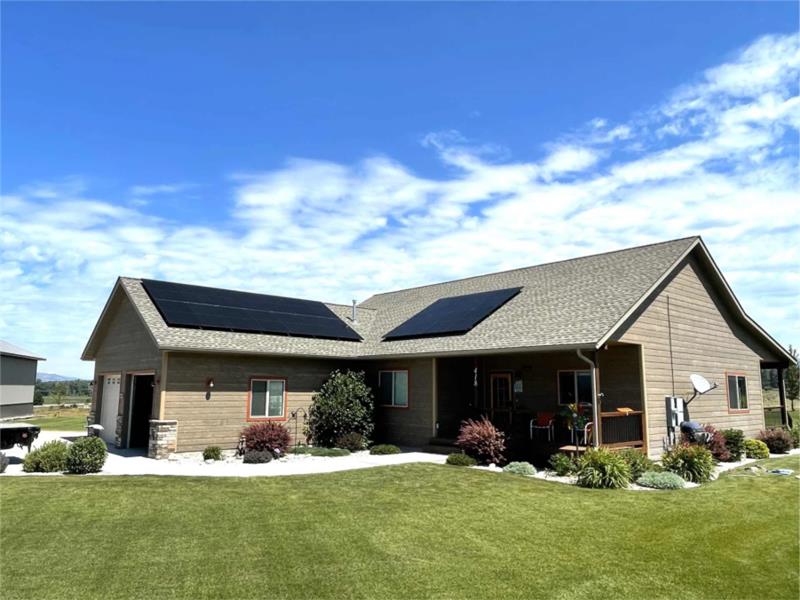
Investing in solar energy is an important step for homeowners aiming to reduce energy bills and embrace sustainability. Understanding the solar panel fitting process ensures a smooth installation, long-term system efficiency, and compliance with safety regulations. A professional solar panel fitting company provides guidance and expertise from consultation to roof evaluation, system design, permitting, and inverter connections all the way to activation.
Business and homeowner’s considering commercial and residential solar panel installations benefit greatly from professional services. Expert installers minimize risks, ensure compliance with electrical and building codes, and optimize energy performance. This guide outlines each stage of the process in detail, helping property owners make informed decisions and achieve the best possible return on their solar investment.
Consultation and Initial Assessment
Every solar installation begins with a detailed consultation. This stage allows the installer to understand your energy goals, current consumption, and property specifics. A proper consultation sets the foundation for an efficient and customized solar system.
Energy Needs Analysis
A professional solar panel fitting company starts with an energy needs assessment. By analysing past utility bills and electricity consumption patterns, the company determines the appropriate system size. Key steps include:
- Evaluating monthly and annual electricity usage.
- Identifying peak energy demand periods.
- Planning for potential future expansions in energy consumption.
This stage ensures that they solar systemwill adequately meet your home’s current and projected energy needs while optimizing cost-effectiveness.
Site and Roof Evaluation
A comprehensive roof evaluation is essential to identify structural capabilities and the best placement for solar panels. Factors considered include:
- Roof type and materials
- Age and condition of the roof
- Orientation and pitch for optimal sunlight exposure
- Shading from nearby trees, buildings, or obstructions
- Load-bearing capacity to support the solar system
Evaluating these factors ensures safe installation, maximizes energy production, and protects the roof from potential damage.
Solar System Design
After assessment, a custom solar system design is developed. This plan includes panel layout, inverter selection, wiring, and optional battery storage.
Panel Placement Strategy
Proper panel placement is critical for maximizing sunlight capture. Professionals consider spacing, tilt, orientation, and shading when designing the layout. Additional considerations include:
- Maintaining roof access for maintenance
- Minimizing impact of snow or debris
- Achieving aesthetic appeal for residential properties
The goal is to ensure the highest possible solar energy production while maintaining the safety and longevity of the installation.
Inverter Selection
Inverters convert the direct current (DC) produced by solar panels into alternating current (AC) suitable for household use. The right inverter choice depends on system size, type of panels, and energy goals.
- String Inverters: Efficient for smaller systems and simple layouts.
- Microinverters: Offer individual panel monitoring and higher efficiency for shaded or complex roofs.
- Hybrid Inverters: Ideal for systems that include battery storage for energy independence.
Energy Storage Integration
Battery storage allows homeowners to store excess energy for later use, providing backup power during outages and maximizing self-consumption. System design must account for battery capacity, placement, and integration with the inverter.
Permits and Regulatory Compliance
Navigating permits and regulations is a critical step that ensures legal compliance and smooth grid connection. A professional solar panel fitting company handles this process efficiently.
Building and Electrical Permits
Obtaining permits ensures that the installation meets local building and electrical codes. This protects the homeowner, the property, and the installer.
Utility Coordination
The company coordinates with the utility provider to manage:
- Grid connection and net metering setup
- Safety inspections and approval for power export
- Compliance with local interconnection standards
This process ensures that your solar system operates legally and is eligible for energy credits or incentives.
Installation Process
The physical installation stage involves mounting panels, connecting electrical systems, and preparing the system for activation. Proper installation is crucial for performance, safety, and longevity.
Mounting and Panel Installation
Panels are installed using specialized mounting systems suitable for the roof type. Installers ensure correct tilt, alignment, and secure attachment to withstand wind, snow, and other environmental factors.
- Flat Roofs: Ballasted mounts or penetrative mounts are used.
- Metal Roofs: Standing seam roofs allow clamp-on mounts, avoiding roof penetration.
- Shingle or Membrane Roofs: Require secure anchoring with flashing or specialized mounts.
Electrical Connections
Professional installers handle wiring and connections between panels, inverters, and the household electrical system. Safety protocols are followed to prevent fire risks or electrical faults.
- Connect panels in series or parallel based on system design
- Install inverters and connect to the main breaker panel
- Optionally integrate battery storage for energy independence
System Testing and Activation
After installation, the system undergoes rigorous testing to ensure it meets design specifications, generates optimal power, and complies with safety standards. Once verified, the system is activated, and homeowners can start generating energy.
Maintenance and Monitoring
Proper maintenance ensures the solar system performs efficiently for decades. Many solar panel fitting companies provide monitoring services, tracking system performance and detecting potential issues early.
Routine Inspections
Inspections include checking:
- Panel condition and cleanliness
- Electrical connections and inverter performance
- Roof integrity and mounting stability
Cleaning and Performance Optimization
Regular cleaning removes dust, leaves, or debris that may reduce panel efficiency. Proper cleaning maintains high energy output and prolongs the lifespan of the panels.
Benefits of Professional Solar Panel Fitting
Hiring a professional ensures the system is installed correctly, safely, and efficiently. Key benefits include:
- Energy Savings: Generate your own electricity and reduce utility bills.
- Safety and Compliance: Installations meet building and electrical codes.
- System Longevity: Expert installation prolongs system performance.
- Peace of Mind: Avoid risks associated with DIY installation.
- Sustainability: Reduce carbon footprint and contribute to clean energy.
Professional services also offer guidance on optimizing system performance, taking advantage of incentives, and integrating battery storage if desired.
Conclusion
A solar panel fitting company provides a transparent and professional approach to solar installations. From consultation and roof evaluation to system design, permitting, and inverter connections, every stage ensures safety, efficiency, and long-term benefits.
By understanding the installation process, homeowners can make informed decisions, achieve energy savings, and contribute to sustainability. Professional installation provides reliability, legal compliance, and optimized energy production, making solar a practical choice for any home. Contact Go Freedom Energy today to explore sustainable and efficient energy solutions for your home or business.
Frequently Asked Questions
1. How long does professional solar panel installation take?
Installation typically ranges from a few days to a week, depending on system size, roof type, and complexity.
2. Can solar panels be installed on any roof type?
Most roof types are compatible, including flat, metal, and shingle roofs, though mounting methods may vary.
3. Are permits required for solar installations?
Yes, permits ensure compliance with building codes, electrical standards, and utility requirements.
4. What maintenance is needed for solar panels?
Regular inspections and cleaning maintain efficiency and detect potential issues early.
5. Can I add battery storage to my solar system?
Yes, batteries store excess energy for nighttime use or during grid outages, enhancing energy independence.